What You Need to Know Before you choose Non-Emergency Medical Transportation
What is Non-Emergency Medical Transportation?
Non-emergency medical transportation (NEMT) is a service that provides transportation for individuals to and from medical appointments and other healthcare-related services.
This type of transportation is often used by those who do not have access to their vehicle, cannot drive themselves, or require more specialized assistance.
Who provides Non-Emergency Medical Transportation?
NEMT are provided by a variety of providers such as private companies, public transit systems, or volunteer organizations. When selecting NEMT services it is important to consider the needs of the individual being transported. Key takeaways from non-Emergency Medical Transportation.
It is important to consider safety, cost, convenience, and quality of service.
If the individual requires assistance with mobility or has any special considerations such as oxygen tanks or wheelchairs, these should be taken into account when researching different providers.
Additionally, it is important to ensure that the NEMT provider has been properly licensed in the state they are operating and that they adhere to all applicable regulations.
Types of Non-Emergency Medical Transportation
When selecting non-emergency medical transportation, consider the type of service you need. There are many types of transportation services available to meet your needs - wheelchair transport, stretcher transport, and ambulette transport.
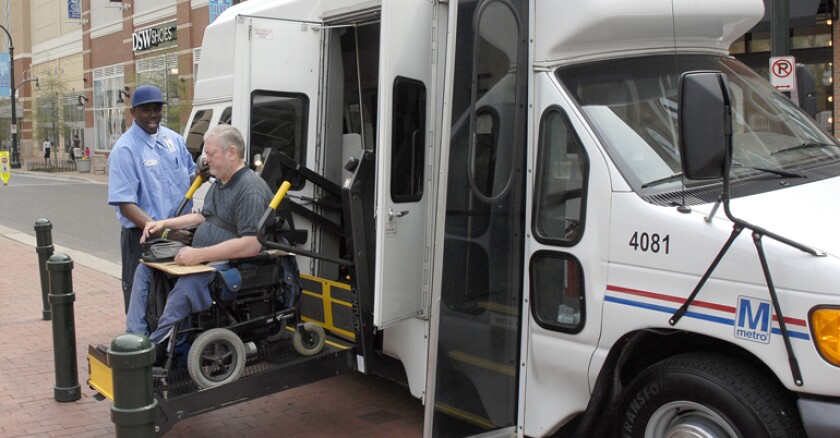
- Wheelchair transport - Wheelchair transportation is ideal for those who can walk but need assistance getting in and out of the vehicle.
- Wheelchair transports are typically equipped with a lift system or ramp that allows for easy access. This type of service is also ideal for those with limited mobility who require assistance in getting around.
- Stretcher transport - Stretcher transport is best suited for those who cannot walk or are unable to transfer from a wheelchair into a vehicle.
Stretcher transports are equipped with a hydraulic lift system that allows for easy loading and unloading of patients. This type of transport is often used for bariatric patients and those who have suffered an injury or illness that prevents them from walking. - Ambulette transportation is designed to provide medical care while in transit. Ambulette services may include medical monitoring, oxygen tanks, IVs, and other medical equipment necessary for patient care during long-distance trips.
These vehicles are often equipped with special features such as reclining seats, adjustable headrests, and air conditioning systems to ensure comfort during trips.
Choosing the Best Non-Emergency Medical Transport Services
But what type of vehicle should you choose for NEMT services? The first step is understanding the types of NEMT vehicles. While there are many options available, they typically fall into three main categories:
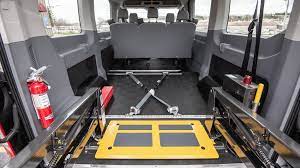
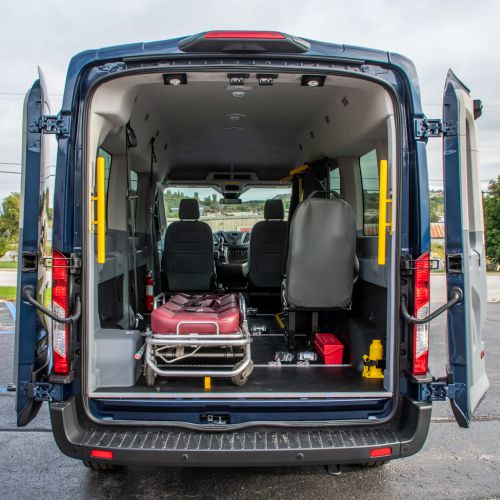
- Wheelchair-accessible vans – Wheelchair-accessible vans are designed specifically for passengers who use wheelchairs or other mobility devices.
- Non-wheelchair-accessible vehicles - Non-wheelchair-accessible vehicles are standard cars or minivans that do not include any special modifications such as lifts or ramps. These types of vehicles may be suitable if you only need to transport one or two passengers at a time who do not use wheelchairs or other mobility devices.
- Stretcher vans - These types of vehicles are ideal for transporting patients with serious illnesses who require extra care during transit. Stretcher vans also provide more space than traditional cars and minivans so that medical personnel can accompany the patient if needed.
Each type of vehicle has its benefits and drawbacks that you should consider before making a decision. When choosing the best non-emergency medical transportation services, it is important to consider a few key factors.
Here are the things to Consider Before Selecting a Non-Emergency Medical Transport Service:
Determine what type of vehicle is most suitable for your needs.
For example, if you or a family member requires wheelchair access, then an accessible van or bus may be the best option. On the other hand, if you only need basic transportation with minimal assistance from a driver, then a car may be sufficient.
- Research the safety record of potential NEMT companies. It’s essential to ensure that any service you choose has a good track record in terms of safety and reliability. Make sure to inquire about their safety protocols and ask for references from previous customers who have used their services before making your decision.
- Consider the cost of different NEMT services available in your area. Different companies charge varying rates for their services, so it’s important to compare prices to find the most affordable option that still meets all your needs.
Tip: Some companies also offer discounts for individuals who require long-term transportation services or have special medical conditions that require extra care during transport. - Make sure that any company you choose is properly licensed and insured. This will help protect both you and the company should anything go wrong during transport.
- Finally, make sure that any drivers employed by the company are certified in first aid and CPR just in case of an emergency on the road.
Consider these key factors before you choose a NEMT service provider. You can ensure that you select one that meets all of your needs while still providing quality care at an affordable price point.
We connect patients with non-emergency medical transportation (NEMT) such as rideshare, medical sedans, wheelchair vans, and stretcher vehicles exactly when and where they need it. Our staff makes sure you are checked in for any Appointment Before Leaving. Book Online. Reliable Transport for Seniors, Disabled, Handicapped, and those with Mentally-challenged.